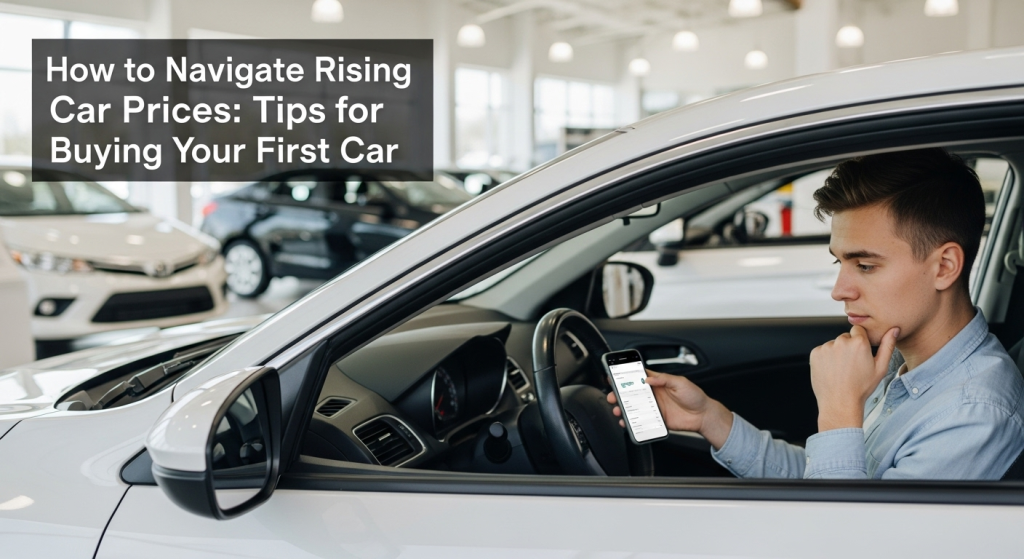
How to Navigate Rising Car Prices: Tips for Buying Your First Car
Posted Wednesday, Sep 10, 2025
Buying your first car is an exciting milestone, but in today’s market, rising car prices make the process more challenging than ever. Whether you’re considering a new car or browsing used options, knowing how to navigate car sales strategically can help you save thousands. As a first-time car buyer, being prepared with smart tips for buying is the key to navigating the current automotive landscape in 2025.
What Should First-Time Car Buyers Consider Before They Buy a Car?
For first-time car buyers, the first step is to define your budget. This doesn’t just mean looking at the sticker price; it also includes factoring in car ownership costs like insurance, maintenance, gas, and registration. Many first-time buyers focus only on the purchase price, but long-term expenses often make a significant difference.
Another critical element is identifying your lifestyle needs. Are you planning long commutes? Do you need more space for family or work? Answering these questions helps narrow your car shopping search to models that truly fit your life. Combining these insights with tips for buying your first car ensures you’ll avoid costly mistakes.
How Can You Effectively Research Car Prices?
Researching car prices is crucial. Websites like Kelley Blue Book and Edmunds provide valuable insights into the market value of different models, helping you determine whether the price of a new car or used car aligns with its worth. Pay attention to the manufacturer's suggested retail price (MSRP) for new vehicles and compare it with similar used car prices to gauge if you're getting a good deal.
Additionally, reading consumer reports can provide perspectives on reliability and performance, guiding you toward the best cars that fit your preferences and budget.
What Financing Options Should You Consider?
Financing is often where first-time buyers face the most confusion. You typically have two main options: dealership financing or securing an auto loan through a bank or credit union. While dealerships may offer convenience, credit unions often provide lower interest rates and more flexible loan terms.
Smart tips for buying include getting pre-approved for an auto loan before you step into a dealership. This gives you a clear picture of your budget and strengthens your negotiation power. Remember, the right financing can lower your monthly payment and make owning your car more affordable long-term.
Should You Buy a New Car or a Used Car in 2025?
A common dilemma for car buyers is deciding between a new car and a used one. New cars provide the latest features, technology, and warranties—but they also come with higher upfront costs and depreciation. The price of a new car in 2025 is higher than ever, which pushes many buyers to consider the used car market.
Buying a used vehicle often delivers more value for your money. A well-maintained certified pre-owned (CPO) car provides peace of mind, warranties, and affordability. First-time car buyers often find used cars to be the smart buying choice.
How to Negotiate the Best Deal at the Dealership?
Negotiation is one of the most intimidating parts of car shopping. Before going to the dealership, research the average car sales price for the model you’re interested in. Use this as leverage in your discussions with the dealer.
Here are a few negotiation tips for buying your first car:
- Be willing to walk away if the price doesn’t match your budget.
- Ask for a breakdown of all dealer fees.
- Don’t be pressured into add-ons you don’t need, like extended warranties or paint protection.
Securing the best deal possible often comes down to preparation and confidence.
Why Choose a Certified Pre-Owned Car?
Certified pre-owned (CPO) cars offer a middle ground between new and used vehicles. CPO programs typically include thorough inspections and come with extended warranties, providing peace of mind for first-time buyers concerned about reliability.
Moreover, CPO vehicles often undergo rigorous reconditioning, ensuring they meet high standards. This option can be an excellent way to enjoy the benefits of a newer model without the steep price tag that comes with buying new.
How Can You Assess the Total Cost of Car Ownership?
Looking only at the sticker price doesn’t reveal the full cost of the car. Car ownership includes expenses like insurance, maintenance, depreciation, and fuel. For example, while a new vehicle may appear affordable with a low monthly payment, its rapid depreciation could make it costlier in the long run compared to a used car.
When calculating costs:
- Find out the average insurance rates for your vehicle model.
- Estimate maintenance and repair costs.
- Consider the resale value after 3–5 years.
Smart car buyers always look beyond the upfront price to avoid financial surprises.
What Maintenance Should First-Time Car Owners Expect?
Regular maintenance is essential for keeping your car reliable. Tasks like oil changes, brake checks, and tire rotations are small costs that save you from expensive repairs later. Understanding your vehicle’s recommended service intervals ensures you’ll keep the car in good condition.
Some car brands, like Toyota and Honda, are known for lower maintenance costs, while luxury brands may require more expensive upkeep. First-time buyers should consider maintenance when comparing new or used vehicles.
How Important Is a Test Drive Before Buying?
A test drive is your opportunity to see how the car feels in real-world conditions. Focus on visibility, comfort, handling, and listen for any unusual noises. Drive in different settings—city streets, highways, and parking lots—to get the full picture.
Before visiting a dealership, make a checklist of features you want to test. Taking your time during this step ensures you find the perfect car for your needs and avoids buyer’s remorse.
What Are the Best Tips for First-Time Buyers?
For first-time buyers, preparation is key. Start by establishing a budget and researching financing options. Know what you can afford in terms of the total cost of ownership, including monthly payments and insurance costs.
Additionally, take your time shopping for a car. Don’t feel pressured to purchase the spot; doing thorough research and comparing different models can lead to better long-term satisfaction.
- Establish a clear budget before shopping.
- Research financing options and get pre-approved for a loan.
- Compare prices and features of different models.
- Don’t rush the test drive; it’s your opportunity to assess the vehicle.
- Negotiate confidently to secure the best deal possible.
Key Takeaways for Navigating Rising Car Prices
- Understand your budget beyond the purchase price.
- Research current market prices for both new and used vehicles.
- Explore various financing options for the best rates.
- Consider the benefits of certified pre-owned cars.
- Assess the total cost of ownership, including maintenance and insurance.
- Be prepared to negotiate and walk away if necessary.
Conclusion
Buying your first car in today’s market can feel overwhelming, but with preparation and smart buying strategies, you can secure a vehicle that fits your budget and lifestyle. If you’re ready to explore high-quality used cars, visit Imperial Automotive LLC, a trusted used car dealer in Hattiesburg, MS. They specialize in offering affordable, high-quality used cars that meet the needs of first-time car buyers. Whether you’re searching for dependable used cars in Hattiesburg, MS, or looking for expert guidance, Imperial Automotive LLC can help you find the perfect car.